

How To Clean A Gas Tank In Place
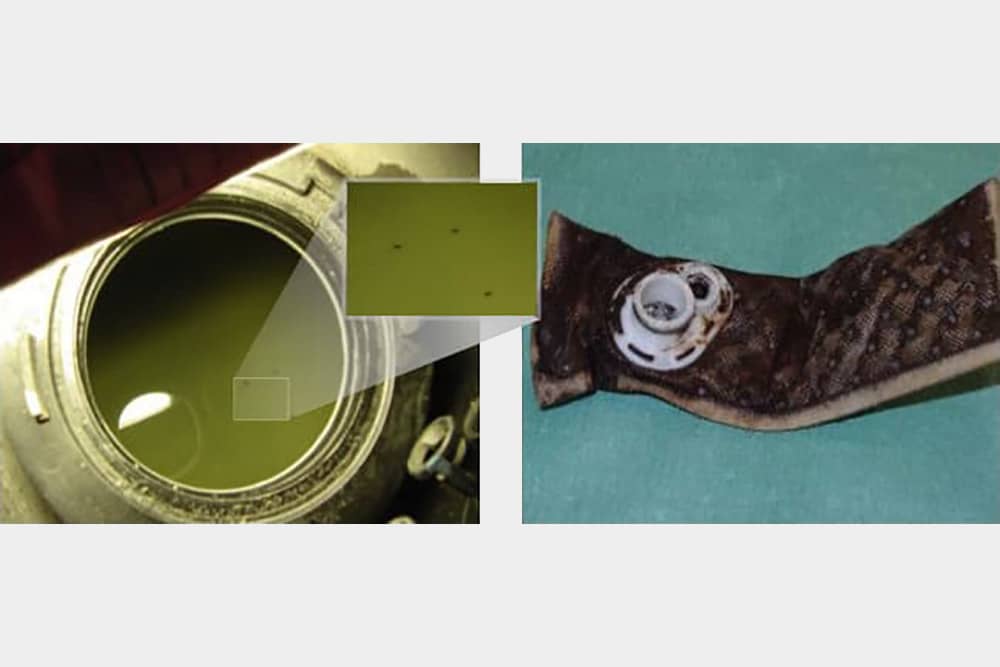
How to Clean a Fuel Tank
A dirty fuel tank can lead to fuel pump failures. Forestall potential problems by post-obit these step-past-stride instructions for proper fuel tank cleaning.
Many variables contribute to fuel pump failures. One of the most mutual culprits, peculiarly when a replacement fuel pump stops working shortly after installation, is a muddied fuel tank. It is critical that contaminants and loose debris, including rust and sediment, are removed prior to fuel pump installation every bit they can clog the filter, jam the turbine pump, or significantly reduce fuel flow due to build-upward.
The single most of import way to forbid this is to ensure you start the fuel pump repair process with a clean fuel tank.
You tin can do this by following these stride-past-step instructions for proper fuel tank cleaning:
- Drain all fuel from the tank with an approved container or a fuel caddy.
- Driblet the tank (come across your service manual for further instructions).
- Clean area where the pump is beingness removed from with a brush.
- Remove fuel pump from tank (avoid letting residual droppings autumn into the tank).
- Insert hose into fuel tank and begin pouring a stream of clean, hot water.
- While h2o is filling, spray mild detergent in the tank.
- If opening allows, utilise a brush to loosen debris from the sides of the tank.
- Stop stream of water.
- Swish the water effectually to ensure all debris has been captured.
- Dump dirty contaminated water out into a pan, being sure to capture whatever liquids.
- Further wipe the tank out with a lint-free washcloth.
- Dry the fuel tank completely with compressed air.
- Inspect the tank for rust or concrete damage; if present, the tank must be repaired or replaced.
- Add fuel line antifreeze/water remover to aid absorb any balance wet.
- After the tank has been stale, let it sit for 30 minutes.

Source: https://carterengineered.com/resources/how-to-clean-a-fuel-tank#:~:text=Insert%20hose%20into%20fuel%20tank,Stop%20stream%20of%20water.
Posted by: chambersalfic1981.blogspot.com
0 Response to "How To Clean A Gas Tank In Place"
Post a Comment